
Understanding the psychological triggers that drive gambling behavior
The Allure of Risk and Reward
Gambling is fundamentally rooted in the thrill of taking risks for potential rewards. The excitement that accompanies placing a bet can trigger a rush of adrenaline, which is often described as a “high.” This rush is not merely about winning; it also stems from the anticipation and uncertainty surrounding the outcome. The human brain is wired to seek pleasure, and the unpredictable nature of gambling creates a perfect storm for this craving, drawing individuals into games of chance. For example, you might find platforms like crazytower-ca.com particularly engaging as they offer diverse gaming experiences.
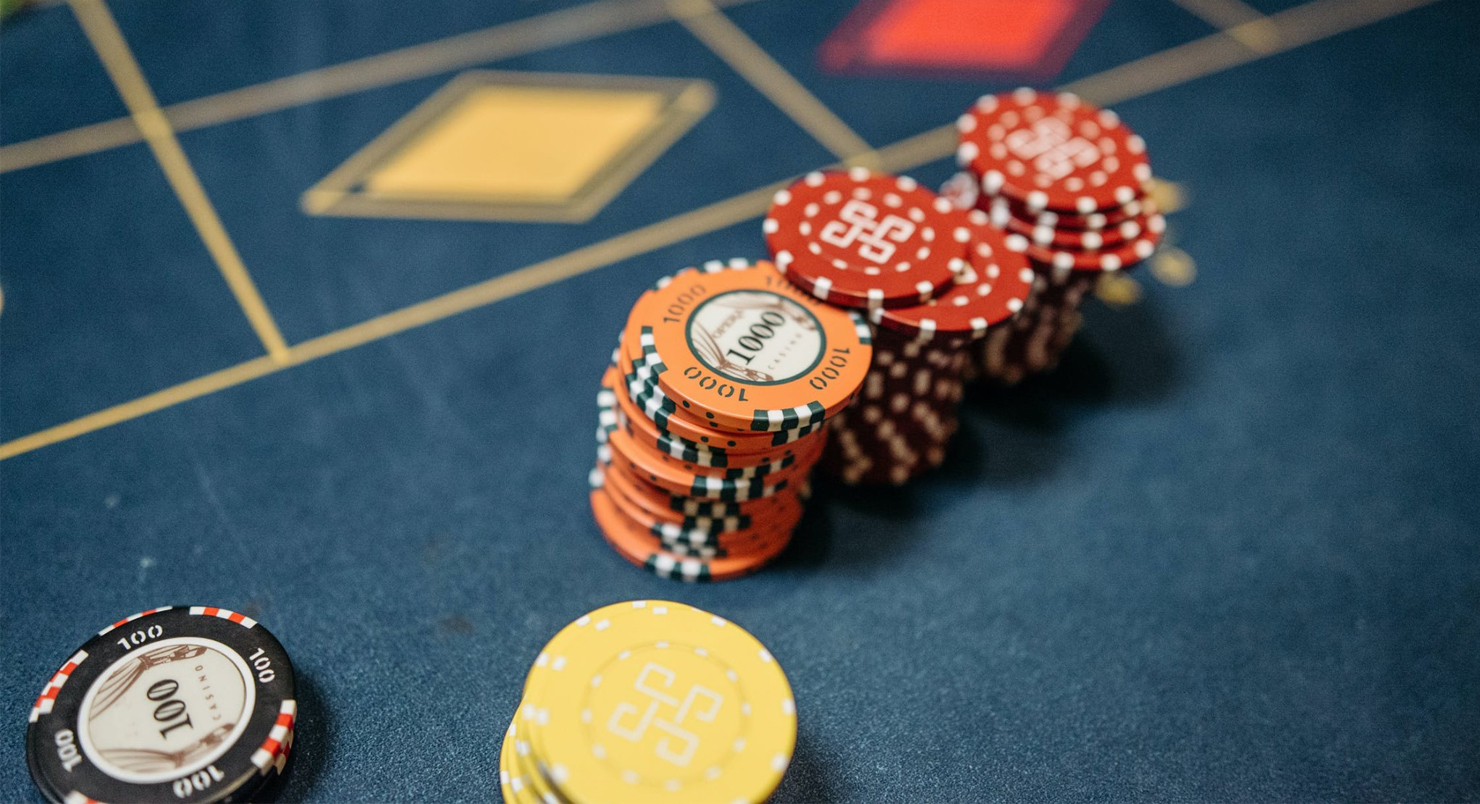
Moreover, the reward system in our brains plays a crucial role in gambling behavior. When a gambler wins, the brain releases dopamine, reinforcing the behavior and encouraging them to gamble again. This cycle can create a compulsion, leading players to chase losses or seek further thrills, often disregarding financial consequences. The combination of thrill and reward often traps individuals in a loop that is hard to escape.
Furthermore, the allure of risk extends beyond the financial aspect; it also taps into psychological factors such as self-esteem and personal validation. Many gamblers feel a sense of pride or accomplishment when they win, making them more likely to return for another round. This connection between gambling and self-worth can complicate the decision-making process, as the emotional highs and lows overshadow rational thinking.
The Role of Cognitive Biases
Cognitive biases significantly influence gambling behavior, leading individuals to misinterpret probabilities and outcomes. For instance, the “gambler’s fallacy” is a common belief where individuals think that past events influence future outcomes. If a player experiences several losses, they might believe that a win is due, leading them to wager more in hopes of reversing their luck. This skewed thinking can drive excessive gambling, often resulting in detrimental financial impacts.
Another bias is the illusion of control, where gamblers believe they have influence over random events. For example, some players may think they can predict outcomes in games like roulette or slots based on previous spins. This illusion can lead to a false sense of security, prompting players to gamble more frequently as they overestimate their chances of winning. Such biases can cloud judgment and enhance the gambling experience, ultimately heightening the risk of problematic behavior.
Additionally, the effect of social proof can encourage gambling behavior. Observing friends or family members engaging in gambling may lead individuals to think it is a socially acceptable pastime. This influence can normalize excessive gambling, as people are often unaware of how their perceptions are shaped by those around them. Understanding these cognitive biases is crucial for recognizing the psychological mechanisms that sustain gambling behavior.
Emotional Triggers and Gambling Addiction
Emotional triggers play a vital role in gambling addiction. Many individuals turn to gambling as a coping mechanism for stress, anxiety, or depression. The temporary escape that gambling provides can be appealing, leading individuals to seek it out during difficult times. This emotional dependence can develop into a cycle of increased gambling as individuals try to alleviate their emotional struggles, often deepening their financial and psychological issues.
Additionally, certain life events—such as losing a job, the end of a relationship, or dealing with grief—can heighten the desire to gamble. In these moments, gambling may appear as a viable outlet for escapism. The ability to momentarily forget about life’s challenges is a powerful motivator, making it difficult for individuals to recognize when gambling is becoming a problem.
Moreover, the mix of positive and negative emotions associated with gambling can further complicate addiction. Winning can lead to exhilaration, while losing can trigger feelings of frustration and despair. This rollercoaster of emotions can cause players to become addicted to the highs and lows, making it increasingly difficult to walk away from gambling. Recognizing these emotional triggers is essential in understanding and addressing gambling addiction effectively.
Environment and Social Influence
The gambling environment significantly impacts behavior, with the setting contributing to the overall experience. Online platforms, such as casinos and betting apps, create an immersive atmosphere filled with stimulating visuals and sounds that can heighten the gambling experience. The design of these environments is intentional, aiming to engage players and keep them coming back for more. This constant stimulation can make it challenging for gamblers to set limits, leading to prolonged periods of play.
Social influences also play a crucial role in gambling behavior. Friends or family members who gamble can normalize the activity, creating an environment where excessive gambling is viewed as acceptable or even encouraged. The pressure to conform can lead individuals to gamble more than they initially intended, further exacerbating their risk of developing problematic behavior. Peer dynamics can amplify feelings of excitement and camaraderie, making it difficult to recognize unhealthy patterns.
Additionally, marketing strategies employed by gambling companies can exploit these social influences. Promotions, bonuses, and advertisements often depict gambling as a thrilling social activity, drawing in new players who might not otherwise engage in such behavior. As these players become accustomed to gambling within social settings, the lines between casual play and excessive gambling can blur, increasing the risk of addiction.

CrazyTower Casino: A Safe Gaming Environment
CrazyTower Casino recognizes the importance of providing a safe and enjoyable gaming environment for its players. Launched in 2023 and licensed in Curacao, this platform offers Canadian players over 3,000 games while prioritizing security and user experience. The casino’s dedication to responsible gaming includes various tools and resources designed to promote healthy gambling habits, empowering players to maintain control over their gaming behavior.
In addition to a wide variety of games, CrazyTower Casino offers attractive promotions, including a generous welcome bonus and ongoing rewards for loyal players. This combination of excitement and incentives creates a vibrant gaming atmosphere while ensuring that players are aware of the importance of responsible gambling. The casino’s commitment to transparency and support helps foster a positive experience for all users, encouraging them to gamble responsibly.
With 24/7 customer support and fast payment options, CrazyTower Casino stands out as a platform that prioritizes player satisfaction and safety. By understanding the psychological triggers that drive gambling behavior, CrazyTower Casino seeks to provide a balanced gaming experience that allows players to enjoy the thrill of gambling while remaining mindful of their limits.